Your driveway takes a beating every single day, and over time, even the best asphalt starts to show its age. The real question is not whether damage will happen, but how far it has gone. Knowing whether you need resurfacing or a full replacement can save you thousands and keep your property looking sharp.
Understanding the Difference Between Resurfacing and Replacement
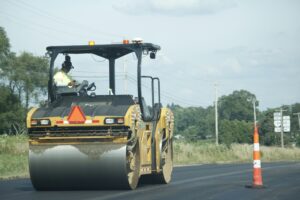
Resurfacing is all about restoring the top layer of your driveway while keeping the existing foundation intact. It involves repairing minor damage, smoothing the surface, and applying a fresh layer of asphalt to bring back that clean, like-new look. When the base is still strong, resurfacing is a powerful way to extend your driveway’s life without starting from scratch.
Full replacement is a different story. This process removes the existing asphalt and rebuilds the driveway from the ground up. It is necessary when the foundation has failed or when damage runs deeper than the surface. While it is a larger investment, it gives you a completely new structure that can withstand years of use.
Surface Cracks Versus Structural Cracks
Not all cracks are created equal. Small, narrow cracks that run across the surface are usually signs of normal wear and tear. These can often be filled and sealed as part of a resurfacing project, especially if they have not spread or deepened over time.
Larger cracks that form patterns, widen, or shift in elevation are a different warning sign. These often point to issues below the surface, such as a failing base or poor drainage. When cracks begin to connect and spread across large sections, resurfacing will only mask the problem temporarily, and replacement becomes the smarter move.
The Role of Drainage and Water Damage
Water is the number one enemy of asphalt. If your driveway is holding water or showing signs of pooling, that moisture is likely seeping into the base layer. Over time, this weakens the structure and causes the surface to sink, crack, or crumble.
If drainage issues are minor and the base remains solid, resurfacing can correct the slope and protect the surface. But if water has already caused widespread soft spots or uneven areas, replacement is often required to rebuild the foundation and prevent ongoing damage.
When Potholes Start to Multiply
A single pothole can usually be repaired without much trouble. It is often caused by localized wear or a small area of water intrusion. In these cases, patching and resurfacing can restore the surface and prevent further issues.
When potholes begin appearing in multiple areas, it signals a deeper problem. This pattern shows that the base is no longer evenly supporting the asphalt. At that point, continuing to patch and resurface becomes a short-term fix. A full replacement addresses the root cause and restores long-term stability.
Age Matters More Than You Think
Every driveway has a lifespan. Asphalt typically lasts between 15 and 25 years, depending on usage, maintenance, and climate conditions. As your driveway approaches the later stages of that range, even small problems can indicate larger underlying wear.
If your driveway is relatively young and well-maintained, resurfacing is often the right choice. If it is older and showing widespread signs of deterioration, replacement may be the better investment. Experience plays a big role in making this call, which is why working with a contractor who understands long-term performance is critical.
The Importance of the Base Layer
The surface of your driveway might look rough, but the real question is what is happening underneath. A strong base supports the asphalt and keeps it stable under pressure. If that base is intact, resurfacing can give your driveway a second life.
If the base has shifted, eroded, or weakened, no amount of resurfacing will fix the issue. You may notice sinking areas, uneven sections, or recurring damage in the same spots. These are clear signs that a replacement is needed to properly rebuild the foundation.
Making the Right Call With Confidence
This is where real experience makes all the difference. Walt’s Paving has been serving homeowners and businesses for decades, building a reputation on honest assessments and long-lasting results. With over 50 years in the industry, we have seen every type of driveway issue and know exactly what to look for.
We do not recommend replacement unless it is truly necessary. If resurfacing will do the job and save you money, that is what we will tell you. Our goal is to provide a solution that fits your driveway, budget, and long-term plans.
The Cost of Waiting Too Long
One of the biggest mistakes property owners make is waiting too long to act. What could have been a simple resurfacing job becomes a full replacement when the damage spreads beneath the surface. Time is not your friend when it comes to asphalt deterioration.
By addressing issues early, you preserve the structure and keep costs under control. Regular inspections and timely repairs give you the power to choose resurfacing instead of being forced into replacement. That kind of control is what protects your investment.
Which One’s Right for You?
Choosing between resurfacing and full replacement comes down to understanding the condition of your driveway from top to bottom. Surface damage can often be restored, but structural failure requires a fresh start. The key is knowing the difference before small problems turn into major ones.
If you are unsure what your driveway needs, Walt’s Paving is ready to take a look and give you a clear, honest answer. We bring decades of experience to every project and make sure your driveway gets the right solution the first time.
How Can Walt’s Paving Help?
You can count on Walt’s Paving to complete your residential or commercial paving project in an efficient and timely manner. We have over 40 years of experience paving asphalt driveways, making asphalt repairs, and sealcoating asphalt. We are located in Osceola, IN, and serve homeowners and businesses within a 50-mile radius of Elkhart, IN. Call us today!