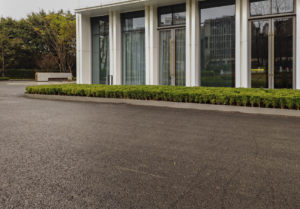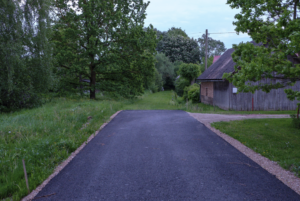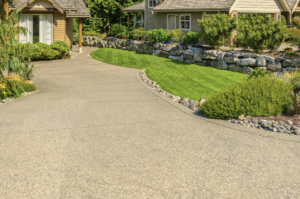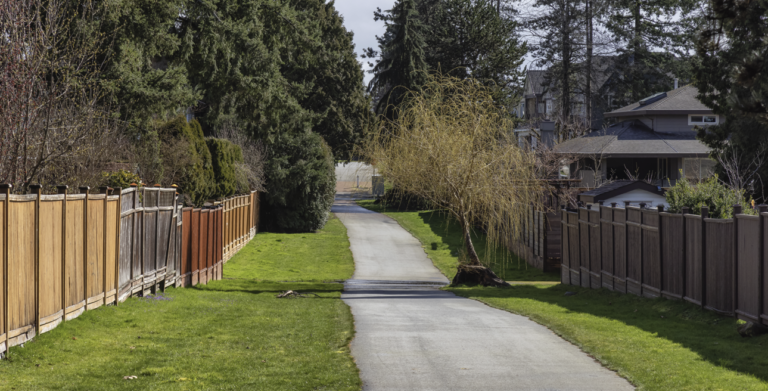
A long or sloped driveway adds character to your property, but it also raises important questions about durability and performance. You want a surface that looks sharp, handles the elements, and stands up to daily use without constant repairs. If you are wondering whether asphalt is the right fit, you are asking exactly the right question.
How Asphalt Performs on Slopes
Asphalt is a flexible pavement, which gives it a major advantage on sloped terrain. Unlike rigid materials, asphalt can expand and contract with temperature changes without cracking as easily. On an incline, that flexibility helps the surface adapt to minor ground movement and seasonal shifts.
Traction is another big factor on sloped driveways. Asphalt naturally provides a slightly textured surface that helps tires grip better than smooth concrete. When installed correctly with proper compaction and thickness, it delivers reliable performance in rain, snow, and everyday driving conditions.
Drainage Is the Real Key
With any sloped or long driveway, water management makes or breaks the project. Asphalt itself is not the problem when drainage fails. The issue usually comes down to improper grading or poor base preparation.
A properly designed asphalt driveway will be graded to direct water away from the surface and away from your foundation. On longer driveways, subtle crowning or controlled slope adjustments ensure water keeps moving instead of pooling. When water flows correctly, asphalt holds up extremely well even on challenging terrain.
Strength Over Distance
Long driveways take more abuse than shorter ones. They handle more turning, more braking, and often heavier delivery vehicles. Asphalt performs well over long stretches because it distributes weight evenly across the base layer.
The strength of a long asphalt driveway depends heavily on what is underneath it. A solid, well-compacted stone base supports the asphalt and prevents shifting or sinking. When the foundation is done right, asphalt can maintain a smooth, stable surface for many years.
Installation Matters More Than Material
Here is where experience truly counts. A sloped driveway cannot be paved the same way as a flat one. The angle affects how the asphalt is laid, compacted, and finished. If the crew rushes the job or fails to adjust for the grade, problems can show up later.
Proper compaction on a slope requires the right equipment and a skilled team that understands how asphalt behaves on an incline. At Walt’s Paving, we approach sloped and long driveways with careful planning and precision. We evaluate the grade, soil conditions, and drainage before a single load of asphalt is placed.
Winter Performance on Hills
If you live in an area with snow and freezing temperatures, you are probably concerned about winter traction. Asphalt performs reliably in cold climates because it absorbs sunlight and warms slightly faster than lighter surfaces. That can help with snow and ice melt during sunny winter days.
On steeper slopes, additional measures like proper grading and consistent maintenance make all the difference. Keeping the surface sealed and free from cracks prevents water from seeping in and freezing beneath the pavement. A well-maintained asphalt driveway provides dependable performance even when temperatures drop.
Cost Efficiency for Larger Surfaces
Long driveways require more material and labor, so cost becomes a serious consideration. Asphalt is generally more affordable than many alternative paving materials, especially over extended distances. That makes it an attractive choice for properties with long approaches or private roads.
Beyond the initial installation, maintenance costs remain manageable. Periodic sealcoating and timely crack filling protect your investment and extend the life of the surface. Over time, this combination of lower upfront cost and straightforward maintenance makes asphalt a smart financial decision.
Longevity and Maintenance
No driveway is maintenance-free, especially when it spans a long distance or sits on a slope. The good news is that asphalt maintenance is predictable and cost-effective. Routine inspections allow small cracks or edge wear to be addressed before they become larger structural problems.
Sealcoating every few years helps protect against moisture, UV exposure, and surface wear. When properly maintained, an asphalt driveway can last 15 to 25 years or more, depending on traffic and climate. That lifespan makes it a practical option for homeowners who want long-term value.
Is Asphalt the Right Choice for You?
Every property is different. The steepness of the slope, soil conditions, expected traffic, and drainage layout all influence the final recommendation. Asphalt is often an excellent choice for sloped or long driveways, but the design and installation must be handled with care.
If you want a surface that offers flexibility, traction, cost efficiency, and proven durability, asphalt deserves serious consideration. The key is partnering with a contractor who understands how to engineer the driveway from the ground up. Walt’s Paving has decades of experience installing driveways that perform beautifully on both hills and long stretches.
A sloped or extended driveway should feel like an asset, not a constant worry. With the right planning and expert installation, asphalt delivers the strength and performance you need. When you are ready to move forward, Walt’s Paving is here to make sure your driveway is built to last.
How Can Walt’s Paving Help?
You can count on Walt’s Paving to complete your residential or commercial paving project in an efficient and timely manner. We have over 40 years of experience paving asphalt driveways, making asphalt repairs, and sealcoating asphalt. We are located in Osceola, IN, and serve homeowners and businesses within a 50-mile radius of Elkhart, IN. Call us today!