Asphalt paving in Northern Indiana is not the same project as it would be in Georgia or Arizona, and the decisions that go into it reflect the specific demands of this region. Freeze-thaw cycles, clay-heavy soil in parts of the area, and a compressed paving season all shape what a well-done driveway or parking surface looks like in Granger, Mishawaka, and Osceola. This guide covers what local homeowners should know before getting started.
What Makes Paving in Northern Indiana Different?
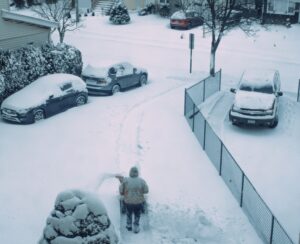
The biggest factor separating paving in Michiana from paving in a warmer climate is the freeze-thaw cycle. During a typical Northern Indiana winter, ground temperatures repeatedly move above and below freezing, and water in the soil expands and contracts with each cycle. Over time, that movement works against pavement from below, which is why proper base preparation matters more here than it does in a region that rarely sees hard freezes.
In soils with significant clay content, freezing happens in layers called ice lenses that draw water upward and cause the ground above to heave. That heaving pushes surfaces upward unevenly and is a primary driver of cracking and shifting in driveways that were not built with adequate subbase depth or drainage. Lake-effect precipitation from Lake Michigan adds to the load, giving Northern Indiana more snowfall and freeze events than most of the state. A paving job done with the right base depth, appropriate compaction, and graded drainage accounts for all of this. One that cuts corners does not hold up. For a closer look at how cold weather affects the pavement itself, our guide on how cold weather affects asphalt is worth reading before you plan your project.
Common Projects in This Area
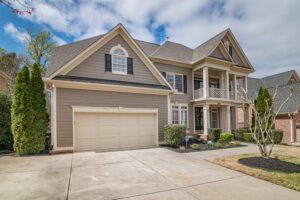
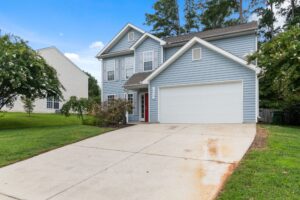
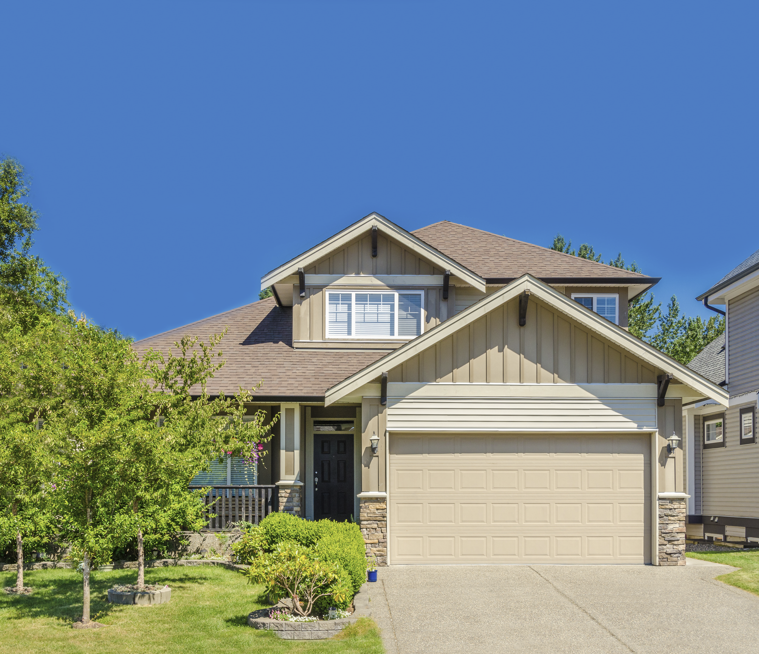
Residential driveways in Granger and Mishawaka are the most consistent project type in Walt’s service area. Granger is a mature suburban community with tree-lined neighborhoods where driveways range from standard two-car widths to larger pads serving multi-bay garages. Many of the driveways in the area were originally poured in concrete, installed decades ago, and are now being replaced with asphalt for the combination of cost and repairability that asphalt offers. Mishawaka neighborhoods present similar conditions with a mix of ages and sizes.
Long or sloped rural driveways in Osceola and outlying areas bring a different set of considerations. Slope affects drainage, and drainage affects how well a driveway holds up over time in a freeze-thaw environment. A driveway that does not shed water efficiently will hold moisture against the base through winter, which accelerates damage. The Walt’s Paving article on long or sloped driveways covers why asphalt handles grade well and what the design considerations look like. Driveway grading basics is also worth a read if drainage is a concern on your property.
Small commercial and multi-family work along Mishawaka business corridors rounds out the common project list. Parking areas, loading zones, and access drives for small commercial properties face heavier load demands than residential driveways and benefit from a spec that reflects the difference in traffic weight and frequency.
When Is the Right Time to Pave in Michiana?
The paving season in Northern Indiana runs from late spring through early fall, roughly May through October, depending on temperatures. Asphalt needs to be laid and compacted while the mix is warm enough to work properly, and ambient and surface temperatures both factor into that window. Paving in conditions that are too cold shortens the time the mix stays workable and can compromise compaction, which affects long-term durability.
Late spring is often the most popular booking window because homeowners are coming out of winter with fresh evidence of what another freeze-thaw season did to their driveway. That demand means the better contractors fill up quickly. Getting your estimate in early, ideally before the season starts, puts you ahead of the rush and gives you more flexibility on scheduling. The Walt’s Paving piece on the best time of year for asphalt paving goes deeper on this if you want the full seasonal breakdown.
How Much Does Paving Cost in This Area?
Paving cost depends on several factors that vary significantly from one project to the next: the size of the surface, whether it is a new installation or a replacement, what the existing base condition looks like, and what drainage work, if any, is needed before paving begins. A driveway with a solid, well-graded existing base costs less to pave than one that needs subbase work first. A long rural driveway costs more per job than a standard suburban one simply because of scale.
Rather than quoting numbers that would not apply accurately to your specific situation, the right approach is a site visit and a free estimate. Walt’s Paving provides free estimates across Granger, Mishawaka, Osceola, and the broader service area, and a walk of the property gives a much more useful starting point than a per-square-foot figure from the internet. A dedicated cost article is also forthcoming on Walt’s Paving blog that will cover pricing factors in detail.
Choosing a Local Paving Contractor
The qualities that matter most in a paving contractor are straightforward: a track record in the local market, accountability through a verifiable business history, and a willingness to explain what they are doing and why before any work begins. A contractor who has been paving driveways in Granger and Mishawaka through Northern Indiana winters for decades understands this climate in a way that a regional chain operation simply does not.
A contractor with more than 50 years in the Michiana market, a BBB A+ rating, and a free estimate process is a reasonable starting point when you are comparing options. Walt’s Paving checks all three, and How to Choose an Asphalt Paving Company covers the full list of questions to ask any contractor before you commit.
Service Area: Towns Walt’s Paving Serves
Walt’s Paving serves residential and commercial customers throughout Northern Indiana and Southwest Michigan. The service area includes Bristol, Cassopolis, Dunlap, Elkhart, Goshen, Granger, Middlebury, Mishawaka, Niles, Osceola, South Bend, and Union. If you are in or near any of these communities and have a paving project, reach out for a free estimate.
Get a Free Estimate
Walt’s Paving serves Granger, Mishawaka, Osceola, and communities throughout Northern Indiana and Southwest Michigan. Request your free estimate through our website.
Frequently Asked Questions
When is the best time of year to pave a driveway in Indiana?
The paving season in Northern Indiana runs from late spring through early fall, roughly May through October. Late spring and early summer are the most popular windows, and the best contractors fill their schedules quickly. Getting an estimate in before the season starts is the most reliable way to secure preferred timing.
How long is paving season in Michiana?
Approximately five to six months, from May through October, depending on temperatures in a given year. Cold snaps early in spring or late in fall can compress the window at either end.
Why does clay-heavy soil matter for paving?
Clay soil freezes in layers that draw moisture upward and cause the ground to heave, which pushes against pavement from below. Driveways built without adequate subbase depth or drainage in clay-heavy areas are more susceptible to cracking, heaving, and early deterioration. Proper base preparation before paving accounts for the soil conditions at the specific site.
Does Walt’s Paving serve Granger, Mishawaka, and Osceola?
Walt’s Paving is based in the Michiana area and serves Granger, Mishawaka, and Osceola. Walt’s also serves Bristol, Cassopolis, Dunlap, Elkhart, Goshen, Middlebury, Niles, South Bend, and Union.