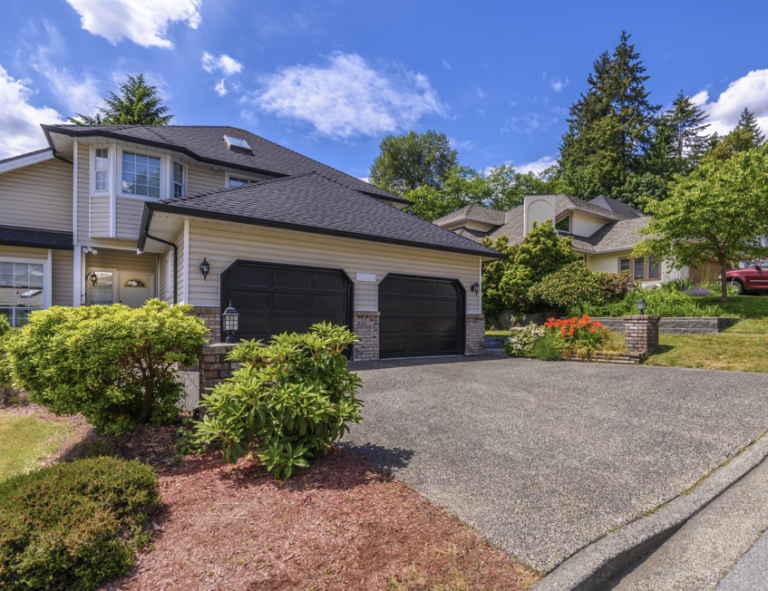
A properly installed and maintained asphalt driveway in Indiana typically lasts 15 to 20 years. That range assumes regular sealcoating, prompt crack repair, and good drainage. Driveways that go without maintenance often fall well short of that window. Those cared for consistently can reach the upper end or last even longer.
The Short Answer: 15 to 20 Years
Most Indiana homeowners can expect their asphalt driveway to last 15 to 20 years before replacement. That number depends on installation quality and ongoing maintenance. A driveway installed on a properly prepared base, sealed on schedule, and kept clear of standing water is much more likely to reach that range. One that has been neglected probably will not.
Indiana’s climate adds real pressure. Hot, humid summers and winters that repeatedly push temperatures above and below freezing put more stress on asphalt than a more moderate climate would.
What Affects the Lifespan of an Asphalt Driveway?
The following factors affect a driveway’s lifespan.
-
Installation quality:
The lifespan of any driveway starts below the surface. Proper preparation, including a stable subbase and multiple compacted layers, helps the driveway withstand heavy use and changing weather. A driveway installed over an unstable or poorly graded base will develop problems well ahead of schedule, no matter how well you maintain the surface.
-
Freeze-thaw cycles and Indiana’s climate:
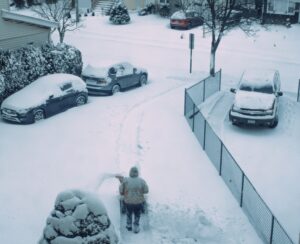
This is where Indiana specifically earns its place in the conversation. In Indiana winters, water from melting snow and rain often enters microcracks in the pavement. Temperatures then dip below freezing at night and thaw again by day. Water trapped in the pavement freezes and expands by up to 9%, widening cracks and destabilizing the asphalt structure.
That process repeats dozens of times each winter. It is why small cracks that look manageable in October can become significant problems by April. Summer brings a different kind of stress. Extreme heat can slowly soften asphalt and lead to surface deformation, while solar UV radiation adds more wear over time.
-
Drainage:
Water is the most consistent enemy of asphalt. When it infiltrates through cracks and settles into the base, it can weaken the underlying structure and cause premature failure. Standing water after a rainstorm is a warning sign. Downspouts or gutters that discharge onto the driveway are another common, overlooked contributor.
-
Sealcoating:
Sealcoating every two to four years seals out water, slows UV oxidation, and keeps the surface from becoming brittle. Skipping it does not just affect appearance. It gives water more opportunity to penetrate the underlying structure, where the real damage accumulates.
Signs Your Driveway Is Nearing the End of Its Life
Not every crack requires replacement, but certain conditions suggest the driveway is nearing the end of its useful life rather than simply needing a repair. Watch for these:
-
Alligator cracking:
The interconnected, web-like crack pattern indicates base failure beneath the surface. Patching over it is a temporary fix at best.
-
Multiple recurring potholes:
One pothole can be repaired. Several potholes across the surface, especially after prior repairs, suggest the base is failing.
-
Surface delamination:
When the top layer begins to peel or crumble in sections, the surface can no longer hold repairs effectively.
-
Drainage failure:
Water pooling in areas where it did not before often points to base settling beneath the surface.
-
Visible base settling:
Dips, depressions, or waves that were not there at installation indicate base movement from years of freeze-thaw cycling.
If you are seeing two or more of these conditions on the same driveway, a professional evaluation makes more sense than continued repairs.
Repair, Resurface, or Replace?
Repair makes sense when damage is isolated, less than roughly a quarter of the surface is affected, and the base is still sound.
Resurfacing works when the surface is worn, but the base is structurally intact. A new layer of asphalt extends the driveway’s life at a lower cost than full replacement.
Replacement is the right choice when the base has failed, or alligator cracking is widespread. Resurfacing over a compromised base only delays the same conversation. Done correctly with proper base preparation, a full replacement gives you another 15 to 20 years.
Talk to Walt’s Paving Today!
If your driveway is showing signs of wear, you can count on Walt’s Paving to complete your residential or commercial paving project in an efficient and timely manner. We have over 40 years of experience paving asphalt driveways, making asphalt repairs, and sealcoating asphalt. We are located in Osceola, IN, and service homeowners and businesses within 50 miles of Elkhart, IN.
Frequently Asked Questions
How long does an asphalt driveway last?
A properly installed and maintained asphalt driveway in Indiana typically lasts 15 to 20 years. Regular sealcoating, early crack repair, and good drainage are what get you to the upper end of that range.
How can I make my driveway last longer?
Sealcoat every two to four years, fill cracks before winter sets in, and make sure water drains away from the surface rather than pooling on it.
What signs mean it is time to replace my driveway?
Widespread alligator cracking, multiple recurring potholes, surface delamination, drainage failure, and visible base settling are the clearest indicators. Two or more of those conditions in the same driveway usually point to replacement rather than repair.
How often should I sealcoat my asphalt driveway?
Every two to four years is the standard recommendation. Wait at least 6 months to a year after a new installation before applying for the first time. Address any existing cracks before sealcoating rather than sealing over them.
Does Indiana weather shorten driveway lifespan?
It can, if the driveway is not maintained. Indiana’s freeze-thaw cycles put real stress on asphalt each winter, while humid summers add heat and UV exposure. A well-maintained driveway can still reach 15 to 20 years, but consistent upkeep matters more here than it would in a milder climate.